
Exploring the psychological effects of casinos on player behavior
The Allure of Gambling: Understanding Initial Attraction
The allure of casinos lies in their ability to create a unique environment that stimulates excitement and anticipation. The sensory experiences—lights, sounds, and vibrant colors—serve to engage players on a deeper psychological level. This immersive atmosphere not only attracts newcomers but also enhances the experience for seasoned players. The initial attraction often stems from the thrill of possibly winning large sums of money, which can spark an emotional high and motivate individuals to engage in gambling. For those considering their first steps into this world, checking out a LolaJack review can provide important insights about available opportunities.
Moreover, the social environment within casinos plays a critical role in player attraction. Gambling is often seen as a communal activity, allowing individuals to interact with others, share experiences, and celebrate wins together. This social aspect helps reinforce a sense of belonging, making players more likely to return for both the gambling and the social engagement. The combination of excitement and social connectivity creates a potent cocktail that keeps players returning to the gaming floor.
However, it is essential to recognize that this initial attraction can lead to various psychological implications. While some players may view gambling as a fun, casual hobby, others may develop addictive behaviors that can harm their personal and financial well-being. Understanding the psychological triggers that draw people to casinos can aid in creating a more informed approach to responsible gambling.
The Psychology of Risk and Reward
At the core of casino gaming lies the psychology of risk and reward, where players weigh the potential for loss against the thrill of winning. This dynamic is heavily influenced by cognitive biases, such as the gambler’s fallacy, which leads players to believe that past outcomes affect future results. For example, someone may continue to gamble on a losing streak, convinced that they are “due” for a win. This misguided perception can lead to increased betting and deeper financial commitments, often spiraling into problematic behavior.
The reward system in the brain is also a crucial factor in player behavior. The potential for winning activates the brain’s pleasure centers, releasing dopamine, a neurotransmitter associated with feelings of pleasure and satisfaction. This biochemical reaction reinforces the idea that gambling can lead to enjoyment and success, encouraging players to return for more. Over time, the repeated activation of this reward system can lead to compulsive gambling behaviors, where the need to chase wins overshadows the negative consequences.
Additionally, the design of casino games often incorporates elements that further exploit these psychological tendencies. Features like near-misses, where players come close to winning but fall short, can create a sense of excitement that keeps players engaged. This illusion of near-success encourages continued play, despite losses, as players strive for that elusive win, illustrating the complex interplay between psychology and gambling behavior.
The Role of Environment in Player Decision-Making
The physical layout and design of casinos are meticulously crafted to influence player decision-making. From the arrangement of machines to the use of sound and lighting, every detail is designed to maximize engagement and prolong playtime. For instance, slot machines are often placed in high-traffic areas to attract players and encourage spontaneous gambling. This strategic positioning plays into impulsive behaviors, as individuals are more likely to gamble when they encounter these machines while navigating the casino.
In addition to physical design, casinos often create a sense of urgency through time distortion. Players may lose track of time in an environment where clocks are rarely visible, leading to extended gaming sessions. This manipulation of time perception can cause individuals to gamble longer than intended, increasing the likelihood of significant financial loss. The absence of external cues, such as natural light or clocks, further deepens the psychological hold of the casino environment.
Furthermore, casinos utilize a variety of rewards and incentives to encourage continued patronage. Loyalty programs, comp points, and free play offers are designed to create a sense of value for players. This psychological investment can lead individuals to gamble more, as they feel they are working towards additional rewards. This phenomenon highlights how environment and design are not merely aesthetic choices; they actively shape player behavior and decision-making processes.
The Impact of Technology on Player Behavior
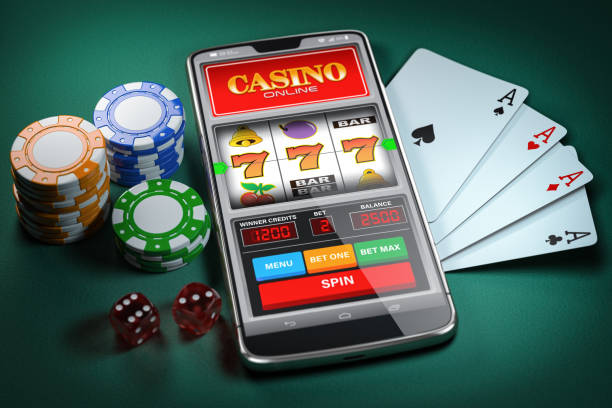
With the advent of online gambling, technology has revolutionized the casino experience, leading to significant shifts in player behavior. Online platforms enable players to gamble from the comfort of their homes, removing many of the traditional barriers associated with in-person gambling. This accessibility can result in increased frequency of play and a greater risk of developing harmful gambling habits, particularly among vulnerable populations.
Moreover, online casinos often implement advanced algorithms and data analytics to tailor user experiences. Personalized recommendations and targeted promotions create a sense of individual connection, further drawing players into the gambling world. The use of gamification techniques, such as leveling up or earning badges, can enhance player engagement, making the experience feel more like a game than a gamble. This blurring of lines can contribute to compulsive behaviors, as players become immersed in the experience.
As technology continues to evolve, so too do the psychological implications of gambling. Mobile applications and live dealer games aim to replicate the casino atmosphere, allowing players to engage with others while benefiting from the convenience of online play. However, this shift raises critical questions about addiction, responsible gambling, and the need for regulatory frameworks that address the unique challenges presented by technology-enhanced gaming.
Responsible Gambling at LolaJack Casino
LolaJack Casino is dedicated to fostering a safe and enjoyable gaming environment for all players. With a wide range of games and innovative features, the platform is designed to provide an engaging experience while prioritizing responsible gambling practices. New players are welcomed with generous bonuses and promotions, which aim to enhance their gaming journey while also emphasizing the importance of setting limits and playing within one’s means.
The casino provides resources and support for players who may be concerned about their gambling habits. Through educational materials and access to professional help, LolaJack encourages players to be mindful of their gaming behavior. This commitment to responsible gambling reflects an understanding of the psychological effects that casinos can have on player behavior and highlights the importance of promoting safe practices within the gaming community.
Ultimately, LolaJack Casino seeks to create a balanced approach to online gambling, recognizing both the thrill of the game and the necessity for responsible engagement. By prioritizing player well-being, the casino aims to cultivate a positive atmosphere where individuals can enjoy gaming responsibly and within their limits, paving the way for a rewarding and sustainable gaming experience.